
House of Hazards is a quirky, fast-paced multiplayer game that has captured the attention of players who enjoy chaotic yet lighthearted competition. Designed with hilarious physics and unpredictable obstacles, this game is all about surviving everyday household tasks while dodging unexpected hazards.
Whether you’re playing solo or with friends, the combination of slapstick humor, interactive environments, and skill-based gameplay makes House of Hazards a title that’s both entertaining and surprisingly challenging.
This complete beginner’s guide will cover everything you need to know to get started, from basic gameplay mechanics and character movement to mastering hazards, game modes, and strategies. If you’re new to House of Hazards, this guide will help you hit the ground running and have more fun while improving your performance.
Understanding the Basics of House of Hazards
Before diving into advanced strategies, it’s essential to understand the core elements of the game. House of Hazards is about completing simple daily tasks inside a house while other players or the environment itself tries to sabotage you.
Core Objectives
Your primary goal is to complete assigned tasks such as:
- Making coffee in the kitchen
- Watering the plants in the living room
- Grabbing the mail from outside
- Brushing your teeth in the bathroom
- Performing other everyday chores
However, these seemingly mundane activities are constantly interrupted by hazards like:
- Swinging lights
- Falling cabinets
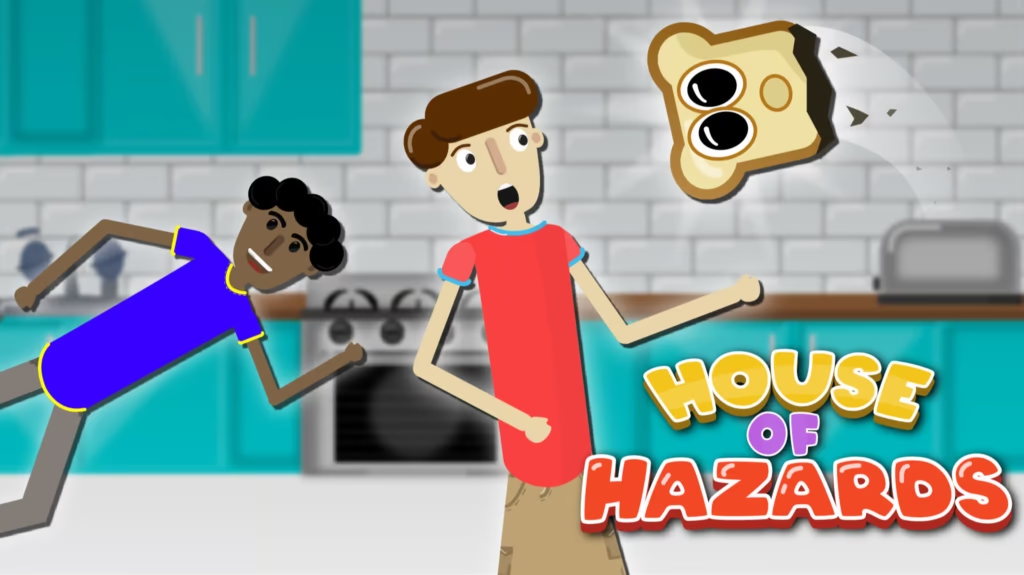
- Rogue toasters
- Traps set by other players
The fun lies in the constant chaos created by both the game’s environment and your opponents.
Game Modes for Beginners
House of Hazards offers a variety of game modes, each providing a unique experience. Understanding these modes will help you pick the right one to start with.
1. Solo Mode
Perfect for new players, Solo Mode allows you to practice mechanics without the pressure of competing against friends. It helps you:
- Learn how to move your character efficiently
- Get used to handling household hazards
- Understand task mechanics at your own pace
2. Local Multiplayer Mode
This mode is where House of Hazards truly shines. You can play with friends on the same device, making it an ideal party game. Expect:
- More chaos as friends set traps or sabotage you
- Increased difficulty due to competing objectives
- Endless replayability thanks to unpredictable outcomes
3. Challenge Mode
Once you’re comfortable with the basics, Challenge Mode offers tougher objectives, often with time limits or more hazards. It’s excellent for honing your reaction times and problem-solving skills.
Controls and Movement Tips
Smooth controls are crucial for success in House of Hazards. Although the controls are simple, mastering them can give you a competitive edge.
Common Controls
- Arrow Keys or WASD: Move your character
- Spacebar / Action Button: Interact with objects or perform tasks
- Jump Button: Avoid low-level hazards and obstacles
- Grab / Drop Keys: Pick up and throw objects
Tips for Beginners
- Prioritize Learning Movement: Before focusing on tasks, spend time mastering running, jumping, and dodging hazards.
- Practice Timing: Many hazards activate in patterns, so timing your movements can help you avoid them.
- Use the Environment: Sometimes furniture and objects can block hazards or give you leverage against opponents.
Hazards to Watch Out For
As the name suggests, hazards are the main feature of the game. Knowing them well is key to survival and success.
Common Hazards
- Falling Lights: These swing or drop unexpectedly, knocking players over.
- Rogue Toasters: Pop up suddenly and can launch players into the air.
- Tripping Objects: Cords, chairs, and small household items that slow you down or make you fall.
- Rotating Fans or Ceiling Traps: Knock you off balance or send you flying.
Tips for Dealing with Hazards
- Stay Alert: Hazards often have subtle visual or audio cues before activating.
- Memorize Patterns: Many hazards follow specific intervals, making them predictable after a few rounds.
- Avoid Rushing: Moving too quickly often leads you straight into traps.
Essential Beginner Strategies
Now that you know the basics and hazards, let’s look at strategies that can significantly improve your gameplay.
1. Prioritize Early Objectives
Tasks often become harder as the game progresses due to increased hazards or sabotage. Completing easier tasks first gives you an advantage.
2. Play Defensively in Multiplayer
If you’re playing with friends, don’t focus solely on your tasks. Sometimes slowing down your opponents by activating hazards at the right time can be more effective.
3. Learn the Map Layout
Every corner of the house hides potential dangers. Familiarity with the map allows you to:
- Take safer routes
- Avoid hazardous areas
- Plan the quickest path to complete tasks
4. Stay Calm Under Pressure
The game’s unpredictable nature can be overwhelming, especially in multiplayer. Staying calm and focused improves your reactions to hazards.
5. Experiment with Objects
Many household items can be interacted with or moved to your advantage. For example:
- Chairs can block hazards
- Doors can be closed to slow opponents
- Objects can be thrown to distract other players
Common Mistakes Beginners Should Avoid
Even experienced players can fall into these traps, but beginners often make them more frequently. Being aware of these mistakes can help you improve quickly.
- Rushing Through Tasks: Speed without caution often leads to falling into hazards.
- Ignoring Opponents’ Actions: In multiplayer mode, other players can be as dangerous as the environment.
- Not Practicing Solo: Skipping practice often results in poor coordination during intense matches.
- Forgetting Hazard Patterns: Random as they seem, many hazards have consistent patterns that can be exploited.
Advanced Tips for Competitive Play
Once you’ve mastered the basics, these advanced strategies will help you stand out in multiplayer matches.
- Master Task Prioritization: Focus on completing the hardest tasks early to avoid future interruptions.
- Use Hazards to Your Advantage: Learn how to trigger traps at the right moment to disrupt opponents.
- Coordinate in Teams: If playing team-based challenges, communication and role assignment improve your chances.
- Adapt Quickly: Reacting to changing hazard patterns and opponent strategies is key to winning.
Why House of Hazards Stands Out
House of Hazards has carved a niche for itself by combining chaotic humor with strategic gameplay. Its simple mechanics make it accessible, while the unpredictable hazards keep it engaging for both casual and competitive players.
Key highlights include:
- Fun for all ages due to its family-friendly visuals
- Constantly evolving challenges that keep the gameplay fresh
- High replay value thanks to unpredictable matches
SEO Keywords for Optimized Content
If you’re writing guides, making videos, or sharing tips about House of Hazards, including these SEO-friendly keywords can help your content reach the right audience:
- House of Hazards beginner’s guide
- How to play House of Hazards
- House of Hazards tips and tricks
- Surviving hazards in House of Hazards
- House of Hazards multiplayer strategies
- Best tasks in House of Hazards
Conclusion
Embrace the Chaos
House of Hazards is more than just a silly party game. Its mix of task-based gameplay, environmental hazards, and multiplayer competition makes it an engaging experience that rewards both skill and creativity.
As a beginner, focus on:
- Learning the basics of movement and hazard patterns
- Practicing in Solo Mode before jumping into multiplayer
- Staying adaptable and using the environment to your advantage
With time and practice, you’ll not only survive the chaotic household but also master it. Whether you’re playing to relax, have a laugh with friends, or compete seriously, House of Hazards offers a unique blend of fun and challenge that keeps players coming back for more.


