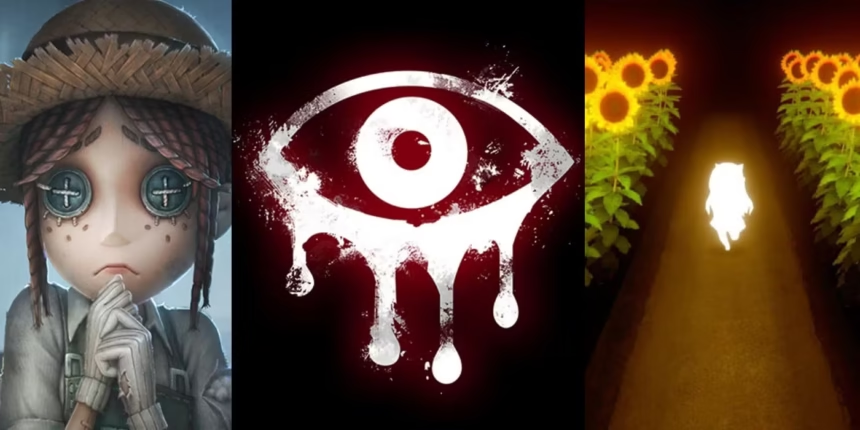
Before starting your adventure, it’s important to understand what defines a horror game. Unlike other genres that focus mainly on action or story, horror games are built around the concept of fear and tension.
Key elements that define the genre include:
- Atmosphere: Dark environments, eerie sound design, and unsettling visuals.
- Psychological Tension: Games that manipulate your emotions and imagination.
- Survival Mechanics: Limited resources, such as health and ammunition, that force you to think strategically.
- Storytelling: Narratives that often involve mysteries, supernatural elements, or traumatic events.
Horror Games By recognizing these components, you’ll be better prepared to choose games that suit your interests and comfort level.
Why Horror Games Are So Popular
Horror games attract players because they offer a unique blend of fear and excitement. The genre provides experiences that go beyond traditional gameplay by engaging players on an emotional level.
Some reasons for their popularity include:
- Immersive Atmosphere: High-quality audio and visuals pull players into the game’s world.
- Adrenaline Rush: The thrill of facing danger can be addictive and rewarding.
- Compelling Stories: Many horror games feature deep and memorable narratives.
- Replay Value: Multiple endings, hidden secrets, and unpredictable scares encourage players to return for more.
For beginners, this combination of fear and fun can be the perfect introduction to an unforgettable gaming experience.
Types of Horror Games to Explore
Horror games come in many forms, each offering a different style of gameplay and scares. As a beginner, it helps to understand the main sub-genres so you can pick one that aligns with your preferences.
1. Survival Horror:
These games focus on resource management and evading threats rather than direct combat. Popular examples include Resident Evil and Silent Hill.
2. Psychological Horror:
Centered on mind-bending narratives and disturbing imagery, these games often use atmosphere and storytelling to create fear. Examples include Amnesia: The Dark Descent and Layers of Fear.
3. Action Horror:
A mix of intense combat and scary settings, action horror games like Dead Space and The Evil Within provide more action-oriented gameplay.
4. Multiplayer Horror:
These games involve working with or against other players in a shared horror environment. Titles like Phasmophobia and Dead by Daylight add social dynamics to the fear factor.
5. Indie Horror:
Often made by smaller studios, indie horror games like Outlast and INSIDE bring creative and unique approaches to the genre.
By experimenting with different types, you can discover which style of horror resonates with you the most.
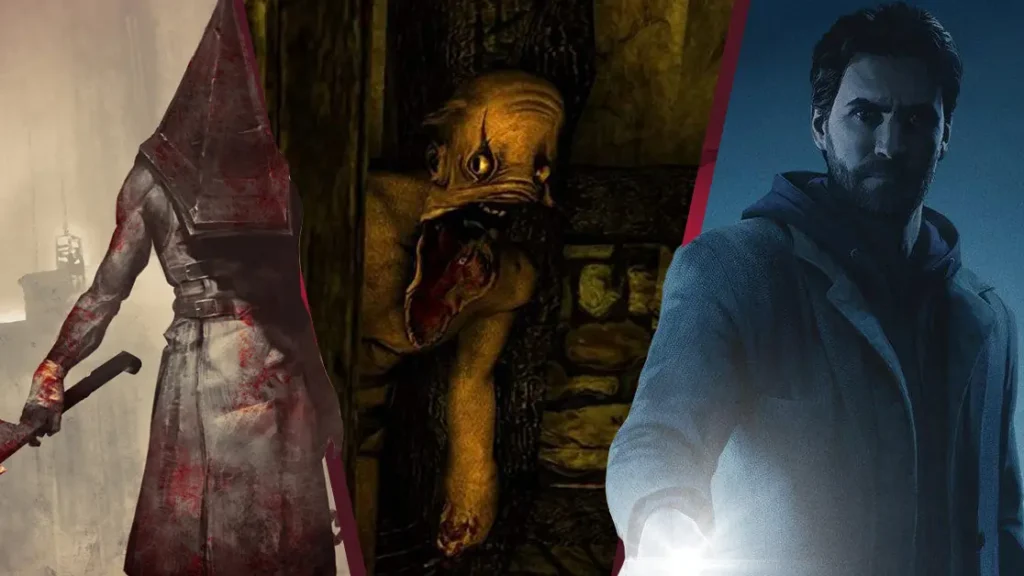
Choosing the Right Horror Game as a Beginner
Starting with the right game can shape your entire horror gaming experience. For beginners, it’s wise to select titles that balance scares with accessible gameplay.
Recommended beginner-friendly games include:
- Resident Evil 2 Remake: A mix of survival horror and action with modern controls.
- Little Nightmares: A visually stunning, puzzle-platformer horror game that’s intense without being overwhelming.
- Until Dawn: A story-driven interactive experience that combines decision-making with cinematic scares.
- Phasmophobia: A cooperative ghost-hunting game that is both fun and thrilling with friends.
These games offer approachable gameplay while introducing you to the core elements of the genre.
Essential Skills for Horror Game Beginners
Success in horror games often requires more than just quick reflexes. Building the following skills will help you enjoy the experience:
Observation:
Pay attention to your surroundings. Many games rely on subtle visual or audio cues to signal danger.
Resource Management:
Learn to conserve ammunition, health kits, and tools. Survival horror games often make resources scarce.
Patience:
Rushing through a horror game can lead to mistakes. Take your time to explore and understand each environment.
Calm Under Pressure:
Fear can cloud judgment. Practice staying composed during intense moments to react effectively.
Tips to Handle Fear While Playing
The fear factor is what makes horror games thrilling but also challenging for new players. Here are tips to help you manage the scares:
- Play in Well-Lit Environments: Reduces immersion slightly, making the game less intimidating.
- Start with Short Play Sessions: Gradually build up your tolerance for intense moments.
- Lower the Volume if Necessary: Reducing audio can make sudden jump scares more manageable.
- Play with Friends: Multiplayer horror games or sharing the experience with friends can ease tension.
Over time, you’ll become more comfortable facing the genre’s scares.
Common Mistakes to Avoid
Beginners often make mistakes that can hinder their enjoyment. Being aware of these pitfalls will help you progress smoothly:
- Ignoring Tutorials: Skipping tutorials can lead to confusion in critical moments.
- Wasting Resources: Using too many supplies too soon can make later parts of the game harder.
- Overlooking Clues: Many horror games include subtle hints in notes, audio logs, or environmental details.
- Quitting Too Early: Initial fear may tempt you to stop playing, but persistence often leads to rewarding experiences.
Importance of Atmosphere and Audio in Horror Games
A key aspect of horror games is their use of atmosphere. Dark, moody visuals and immersive sound design can create dread even when no danger is present.
For beginners, recognizing how audio cues—like footsteps, creaking doors, or distant whispers—signal upcoming events can help prepare you and reduce surprises. Investing in good headphones can significantly enhance the experience.
The Role of Storytelling in Horror Games
Many players underestimate the importance of storytelling in horror games. A well-crafted narrative can deepen the fear by making you care about the characters and the world.
Games like The Last of Us, though more of an action-survival game, and SOMA show how emotional stories can intensify the horror experience. For beginners who enjoy immersive storytelling, such games can provide a strong introduction to the genre.
Benefits of Playing Horror Games
Beyond the thrill, horror games can have surprising benefits:
- Improved Focus: The need to stay alert sharpens attention to detail.
- Problem-Solving Skills: Many horror games feature complex puzzles that challenge the mind.
- Stress Management: Overcoming fear in a safe, controlled environment can improve emotional resilience.
Understanding these benefits can make the experience even more rewarding.
Future of Horror Games
The horror genre continues to evolve with advances in technology. Virtual reality (VR) has made Horror Games more immersive than ever, offering players an unprecedented sense of presence and fear. Upcoming titles promise even more innovative storytelling and gameplay mechanics, making now an exciting time to enter the genre.
Conclusion: Start Your Scary Journey with Confidence
Horror games offer a unique and thrilling gaming experience that combines storytelling, atmosphere, and challenge. For beginners, the key is to start with accessible titles, develop essential skills, and gradually embrace the fear that defines the genre.
By understanding the basics outlined in this guide, you’ll be better prepared to face your first horror game and enjoy every suspenseful moment. Whether you’re drawn to survival horror, psychological thrillers, or multiplayer scares, your journey into the world of horror gaming is bound to be unforgettable.