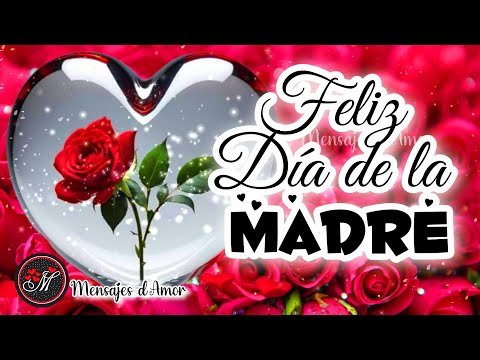
Mother’s Day is one of the most cherished occasions around the world, a day dedicated to honoring the love, sacrifices, and unwavering support of mothers. Whether it is a simple gesture of gratitude or a grand celebration, expressing appreciation for a mother’s devotion is a universal tradition. Across cultures, this day is more than just a holiday—it is a moment to reflect on the invaluable role mothers play in shaping families and communities.
The phrase “feliz día de la madre” is widely used in Spanish-speaking countries to wish mothers a happy and fulfilling day. From heartfelt messages to thoughtful gifts, the ways to celebrate are diverse, yet each act carries the same sentiment: love and gratitude. Understanding the history, traditions, and contemporary ways of observing this special day allows us to honor mothers in a meaningful and memorable way.
The Origins of Mother’s Day
Mother’s Day has roots that trace back thousands of years. Early civilizations, such as the Greeks and Romans, held festivals in honor of mother goddesses. These ancient traditions emphasized the reverence for maternal figures and their role in nurturing life. In the modern sense, the holiday as we know it began in the early 20th century. In the United States, Anna Jarvis is credited with founding the first official Mother’s Day in 1908, aiming to create a day of appreciation for mothers’ tireless efforts.
In Spanish-speaking countries, “feliz día de la madre” became a common expression, symbolizing respect and recognition. Today, it is observed on varying dates depending on the country, but the essence remains the same: a heartfelt celebration of maternal love.
Why Mothers Deserve Recognition
The influence of a mother extends far beyond her immediate family. Mothers are often the cornerstone of emotional support, guiding children through challenges, instilling values, and fostering growth. A mother’s role involves a balance of care, discipline, and inspiration, often without expecting recognition. By celebrating “feliz día de la madre,” society collectively acknowledges these invaluable contributions.
Motherhood also shapes communities and cultures. Children raised with guidance, compassion, and resilience often carry these qualities into society. Recognizing mothers publicly reinforces the importance of nurturing and empathy in families and communities alike.
Ways to Celebrate Mother’s Day
Celebrations of “feliz día de la madre” are as varied as the mothers themselves. Some families opt for intimate gatherings at home, sharing a special meal or personal letters. Others may choose to give gifts that hold sentimental value, from jewelry to personalized keepsakes, emphasizing thoughtfulness over extravagance.
In many regions, schools and community organizations host events where children perform songs, recite poems, or create crafts dedicated to their mothers. These gestures may seem small, but they carry profound emotional significance, strengthening bonds and creating lasting memories.
The digital age has also introduced new avenues for celebrating motherhood. Social media platforms allow people to post tributes, share stories, or send virtual greetings, bridging distances and enabling families to express gratitude regardless of physical separation.
Cultural Traditions and Variations
Different countries celebrate Mother’s Day in unique ways, reflecting local customs and values. In Mexico, for example, “Día de la Madre” is marked by family gatherings, music, and sometimes serenades, known as “mañanitas,” sung to mothers. In Spain, gifts and flowers are common, alongside heartfelt messages. Across Latin America, it is customary to prepare favorite meals and desserts for mothers, adding a personal touch that highlights appreciation.
Understanding these cultural nuances provides deeper insight into how maternal respect is expressed globally. While the methods may differ, the underlying sentiment—celebrating mothers’ love and dedication—remains universal.
The Emotional Impact of Motherhood Appreciation
Acknowledging a mother’s efforts can have profound emotional effects. Feeling appreciated boosts mental well-being, reduces stress, and fosters stronger family connections. Celebrating “feliz día de la madre” allows children and family members to pause and reflect on the sacrifices, patience, and guidance that mothers provide.
This day also encourages intergenerational connection. Grandchildren, parents, and extended family members can collectively honor mothers, passing on traditions and stories that strengthen family identity.
Creating Lasting Memories
A meaningful celebration of Mother’s Day is about more than gifts—it is about creating moments that linger in memory. Shared experiences, whether a quiet breakfast, a heartfelt conversation, or a family outing, often become the most cherished memories. These experiences reinforce the bond between mother and child, highlighting the irreplaceable role of maternal presence in everyday life.
Thoughtful planning and personal touches, such as handwritten notes, family photo albums, or a day dedicated to a mother’s favorite activities, can transform the day into an unforgettable occasion. The key is authenticity: celebrating in a way that truly resonates with the mother being honored.
Modern Trends in Celebrating Mothers
In today’s fast-paced world, people are exploring innovative ways to celebrate mothers. Wellness experiences, spa days, and customized subscriptions are increasingly popular. The focus is shifting from material gifts to experiences that promote relaxation, joy, and personal well-being.
Additionally, social movements and campaigns emphasizing women’s rights and maternal health have added new dimensions to celebrating motherhood. Recognizing mothers’ contributions within broader societal contexts reinforces respect and admiration beyond the home.
Conclusion
“Feliz día de la madre” is more than just a greeting—it is a celebration of love, gratitude, and respect. Mothers shape lives, nurture growth, and provide unwavering support. By understanding the history, cultural traditions, and emotional significance of this day, we can celebrate motherhood in ways that are heartfelt and memorable.
Whether through a simple act of kindness, a carefully chosen gift, or a shared experience, honoring mothers reminds us of their indispensable role in families and society. This celebration encourages reflection, appreciation, and meaningful connections that extend well beyond a single day.
FAQ Section
What is the significance of “feliz día de la madre”?
It is a way to honor and express gratitude to mothers, recognizing their love, sacrifices, and contributions to the family and society.
When is Mother’s Day celebrated in Spanish-speaking countries?
Dates vary by country. For example, Mexico celebrates it on May 10th, while Spain observes it on the first Sunday of May.
What are some popular gifts for Mother’s Day?
Common gifts include flowers, personalized keepsakes, jewelry, and experiences like spa days or family outings. The emphasis is on thoughtfulness rather than expense.
How can I celebrate Mother’s Day if I live far from my mother?
Virtual greetings, video calls, online gift deliveries, or heartfelt letters are effective ways to show appreciation across distances.
Why is it important to celebrate mothers beyond just one day?
Acknowledging mothers’ contributions regularly fosters stronger family bonds, emotional well-being, and recognition of their ongoing efforts in nurturing and supporting their families.