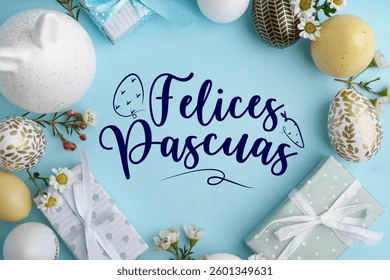
“Feliz Pascua” is a phrase filled with warmth, joy, and deep cultural meaning. Whether shared among family, written in greeting cards, or posted online, this simple expression carries centuries of tradition and emotion. In Spanish-speaking cultures, saying “feliz pascua” is more than just a greeting—it’s a heartfelt wish for renewal, hope, and celebration.
In this detailed guide, you’ll explore the true meaning behind feliz pascua, its religious and cultural roots, and how people across the world celebrate this special occasion. You’ll also learn how to use the phrase naturally, discover traditions, and understand why it continues to hold such importance today.
What Does Feliz Pascua Mean?
At its core, “feliz pascua” translates to “Happy Easter” in English. The word “Pascua” comes from Latin and originally referred to Passover, but over time it became associated with the Christian celebration of Easter.
When someone says feliz pascua, they are expressing good wishes for joy, peace, and renewal. It reflects both religious and secular meanings depending on the context. In Christian traditions, it celebrates the resurrection of Jesus Christ. In modern culture, it also symbolizes spring, new beginnings, and family gatherings.
The phrase is widely used across Spain, Latin America, and among Spanish-speaking communities worldwide. Its simplicity makes it universal, yet its meaning runs deep.
The Historical and Religious Significance of Feliz Pascua
To truly understand feliz pascua, it’s important to look at its historical and religious roots. Easter is one of the most significant celebrations in Christianity. It commemorates the resurrection of Jesus Christ, which is seen as a symbol of victory over death and a promise of eternal life.
The period leading up to Easter includes Lent and Holy Week, which are times of reflection, sacrifice, and spiritual preparation. By the time people greet each other with feliz pascua, it represents the culmination of this journey.
In many Spanish-speaking countries, the religious aspect remains strong. Churches hold special services, processions take place in cities and towns, and families gather to reflect on the meaning of the day.
However, even for those who are not religious, feliz pascua has evolved into a broader cultural celebration of hope, renewal, and togetherness.
How Feliz Pascua Is Celebrated Around the World
The way people celebrate feliz pascua varies widely depending on culture and region, but the underlying themes remain consistent: joy, family, and renewal.
Spain and Latin America
In Spain, Easter is celebrated with great intensity, especially during Semana Santa (Holy Week). Streets fill with processions, music, and traditional attire. Saying feliz pascua at the end of these celebrations carries deep emotional weight.
In countries like Mexico, Argentina, and Colombia, families gather for meals, attend church, and exchange greetings. The phrase feliz pascua is often shared in person and through messages.
Europe and the United States
In many Western countries, Easter combines religious traditions with modern customs. Egg hunts, chocolate treats, and family gatherings are common.
Even in English-speaking countries, Spanish speakers continue to use feliz pascua within their communities, keeping cultural traditions alive.
Modern Global Celebrations
Today, feliz pascua has expanded into the digital world. Social media posts, WhatsApp messages, and emails often include this phrase, sometimes accompanied by images of eggs, flowers, or spring themes.
This shows how the tradition has adapted to modern life while maintaining its original meaning.
The Symbolism Behind Feliz Pascua
The phrase feliz pascua is deeply symbolic. It represents more than just a holiday greeting—it reflects powerful themes that resonate across cultures.
Easter is closely associated with rebirth and renewal. This is why symbols like eggs, flowers, and springtime are often linked to the celebration. These elements represent new life, growth, and fresh beginnings.
When someone says feliz pascua, they are essentially wishing others a fresh start, happiness, and positivity. It’s a message that goes beyond religion and connects with universal human experiences.
How to Use Feliz Pascua in Everyday Life
Using feliz pascua correctly is simple, but making it meaningful requires understanding its tone and context.
You can say it in person when greeting friends and family during Easter. It can also be written in cards, emails, or social media posts.
For example, a heartfelt message might include feliz pascua along with wishes for health, happiness, and prosperity. In professional settings, it can be used respectfully to acknowledge the holiday while maintaining a warm tone.
Because the phrase is so versatile, it can be adapted to both formal and informal situations.
Writing Meaningful Feliz Pascua Messages
Creating a memorable feliz pascua message involves more than just the phrase itself. It’s about expressing genuine emotion and connection.
A thoughtful message might include personal reflections, gratitude, or wishes for the future. For instance, you might wish someone peace, success, or happiness in the coming year.
Adding a personal touch makes the greeting more impactful. Whether it’s a short note or a longer message, the sincerity behind feliz pascua is what truly matters.
Feliz Pascua and Modern Culture
In today’s fast-paced world, traditions often evolve, and feliz pascua is no exception. While its religious roots remain strong, it has also become part of popular culture.
Brands, businesses, and websites often use feliz pascua in marketing campaigns, emails, and promotions. This reflects its widespread recognition and appeal.
For example, on your website, you can create seasonal blog posts or landing pages around feliz pascua. Internal links can connect readers to related content such as holiday recipes, gift ideas, or cultural articles.
At the same time, it’s important to maintain authenticity. Using feliz pascua in a meaningful way ensures it resonates with your audience and aligns with Google’s E-E-A-T guidelines.
SEO Value of Feliz Pascua Content
From an SEO perspective, feliz pascua is a valuable keyword with strong seasonal relevance. People search for greetings, meanings, traditions, and celebration ideas around Easter.
Creating high-quality content around feliz pascua helps attract organic traffic, especially during the Easter season. Including the keyword naturally throughout your content ensures it ranks well without appearing forced.
It’s also beneficial to include related terms such as Easter greetings, holiday traditions, and spring celebrations. This strengthens semantic SEO and improves visibility.
External links to authoritative sources, such as cultural or religious websites, can further enhance credibility. For example, referencing historical or religious explanations of Easter adds depth and trustworthiness to your content.
The Emotional Impact of Saying Feliz Pascua
One of the most powerful aspects of feliz pascua is its emotional impact. A simple greeting can bring joy, comfort, and a sense of connection.
During holidays, people often reflect on their lives, relationships, and goals. Hearing or reading feliz pascua can uplift spirits and create a sense of belonging.
This emotional connection is what keeps the tradition alive. It’s not just about the words—it’s about the feeling behind them.
Keeping the Tradition Alive
As cultures continue to evolve, traditions like feliz pascua remain important. They connect us to our history, values, and communities.
Teaching younger generations the meaning of feliz pascua helps preserve cultural identity. Whether through family gatherings, storytelling, or shared experiences, these traditions continue to thrive.
Even in a digital age, the essence of feliz pascua remains unchanged: spreading joy, hope, and positivity.
Conclusion: Why Feliz Pascua Still Matters Today
Feliz pascua is more than just a seasonal greeting—it’s a meaningful expression of joy, renewal, and connection. Rooted in centuries of tradition, it continues to bring people together across cultures and generations.
Whether you celebrate Easter for religious reasons or simply as a time of joy and family, saying feliz pascua carries a powerful message. It reminds us of the importance of hope, new beginnings, and shared moments.
As the world changes, traditions like feliz pascua remain a constant source of positivity. By understanding its meaning and using it thoughtfully, you can keep this beautiful tradition alive and meaningful.
FAQs About Feliz Pascua
What does feliz pascua mean exactly?
Feliz pascua means “Happy Easter” in Spanish. It is used to wish someone joy, peace, and happiness during the Easter celebration.
Is feliz pascua only used for religious purposes?
No, while it has strong religious roots, feliz pascua is also used in a cultural and social context to celebrate spring and togetherness.
When should you say feliz pascua?
It is typically said on Easter Sunday and during the Easter season, especially when greeting friends, family, or colleagues.
Can feliz pascua be used in professional settings?
Yes, it can be used in professional messages or emails as a respectful and warm holiday greeting.
How can I make my feliz pascua message more meaningful?
Adding a personal touch, such as wishes for health, happiness, or success, makes your message more heartfelt and memorable.